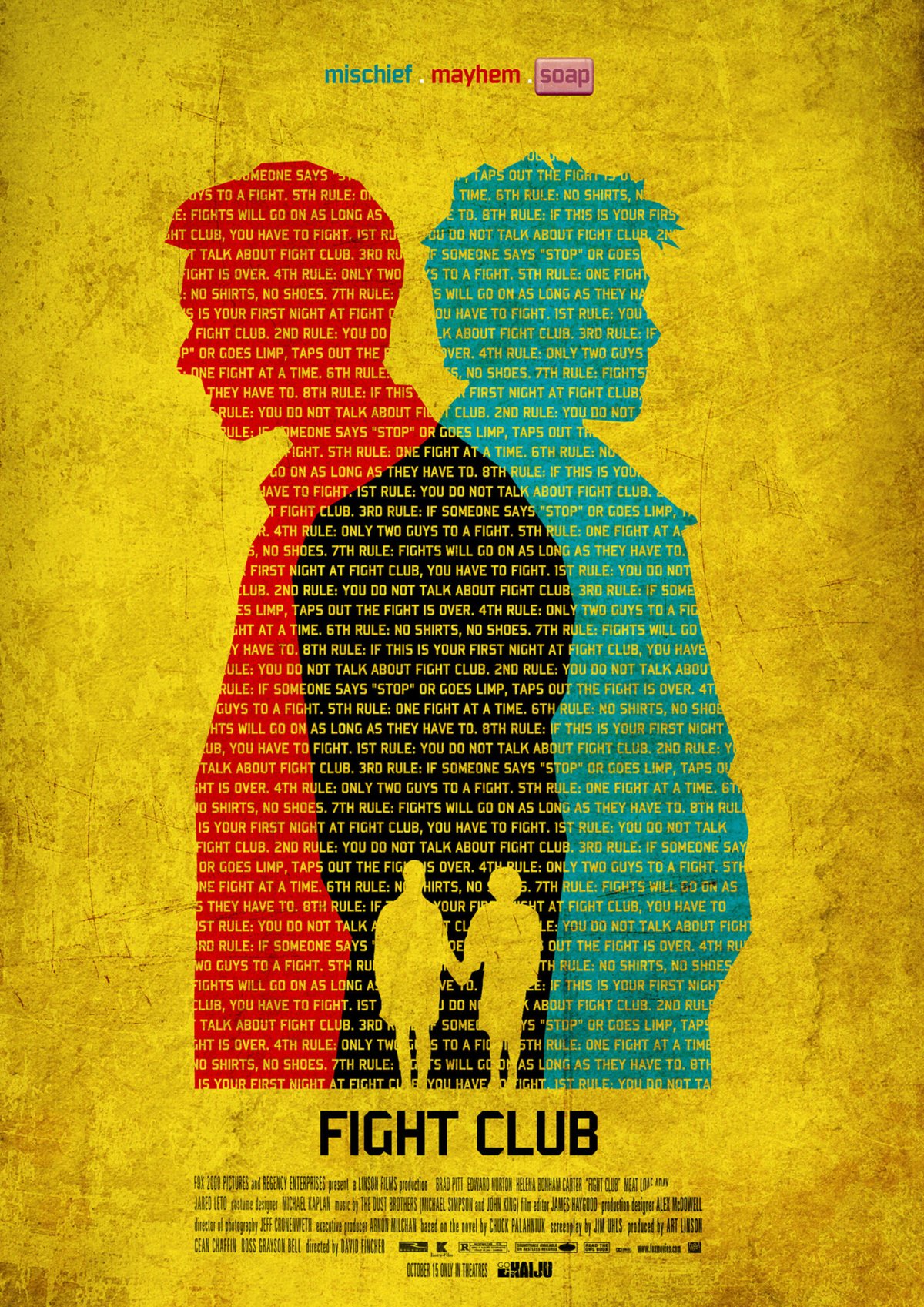
From the moment the grainy, almost tactile image of a bar of soap emblazoned with a clenched fist hit movie screens, Fight Club wasn't just a film; it was a phenomenon, a cultural touchstone whose very aesthetic was revolutionary. This isn't just about actors or dialogue; it's about the visceral visual identity that captivated millions. When we talk about Famous Fight Club Poster Artists & Designers, we're not just discussing a handful of individuals, but a collective force—the original marketing masterminds who forged the film's iconic look, and the countless independent artists who have since reinterpreted its anarchic spirit.
The film's poster art, both official and fan-made, is a testament to its enduring power, weaving complex themes of consumerism, identity, and rebellion into single, striking images. It’s a fascinating landscape where commercial art meets passionate artistic interpretation.
At a Glance: Unpacking Fight Club Poster Art
- Original Vision: The initial, groundbreaking theatrical poster was a product of meticulous marketing strategy, not typically a single "famous artist."
- Iconic Symbolism: Key visuals like the soap, the fist, Tyler Durden's smirk, and the film's gritty aesthetic became instant cultural shorthand.
- Fan Art Revolution: Fight Club has inspired an unparalleled volume of independent artists, making it a unique case study in film merchandise.
- Diverse Interpretations: Posters range from minimalist typography to complex symbolic collages, reflecting the film's multifaceted nature.
- Collector's Appeal: Both official releases and unique fan designs hold significant appeal for film buffs and art collectors alike.
Beyond the Rules: The Enduring Visual Legacy of Fight Club
David Fincher's Fight Club ripped through cinema in 1999, leaving a trail of questions, discussions, and a profoundly altered understanding of what a movie could be. But long before audiences grappled with Tyler Durden's philosophies, they encountered the film's arresting visual marketing. The posters weren't merely advertisements; they were cryptic invitations, hinting at the rebellion and dark humor that lay within. They set a tone, promising something raw, intelligent, and deeply unsettling, yet undeniably cool.
The film’s aesthetic – a blend of grimy realism, surreal imagery, and sharp, almost brutalist design elements – seeped into its promotional materials. This wasn't a film that needed shiny, blockbuster-style posters. It needed art that felt dangerous, handmade, and subversive, much like the underground clubs themselves. The posters became an extension of the film's themes, challenging norms even before the first frame rolled.
The Original Punch: Deconstructing the Iconic Theatrical Poster
When Fight Club first launched, its primary theatrical poster became an instant classic. This isn't usually the work of one "famous artist" in the traditional sense, but rather a collaborative effort by a studio's marketing department, often engaging specialized design agencies. For Fight Club, the creative direction was paramount in conveying the film's complex, anti-establishment message without giving away its twists.
The most recognized original poster features a bar of soap, crudely carved with the film's title, and a clenched fist emerging from it. This wasn't just clever; it was a masterclass in visual metaphor. The soap, an everyday item associated with cleanliness and order, is subverted into a weapon, a tool of chaos. The fist speaks to primal aggression and the film's titular activity, while the gritty texture and muted color palette immediately convey the movie's dark, underground feel. This design agency, working closely with the studio (20th Century Fox) and director David Fincher, effectively distilled the essence of the film into a single, compelling image. They understood that to advertise Fight Club, you couldn't just show pretty faces; you had to show the idea of it. It’s a prime example of how powerful Fight Club movie posters truly are in visual storytelling.
The genius of this original poster lies in its ambiguity and symbolism. It wasn't about glamour; it was about grit. It hinted at violence and rebellion without being overtly gory, sparking curiosity and a sense of intrigue. This foundational visual language laid the groundwork for countless interpretations that would follow.
A Thousand Splintered Reflections: The World of Independent Fight Club Poster Artists
While the original campaign provided the initial visual blueprint, Fight Club's enduring legacy truly blossomed in the realm of independent art. Unlike many blockbusters, Fight Club inspired not just merchandise, but an entire subculture of artists who saw the film as a canvas for their own interpretations. These aren't necessarily "famous" artists by traditional metrics, but a vast collective of talented individuals whose designs permeate platforms like Redbubble, TeePublic, Etsy, and dedicated art print sites. The sheer volume and diversity of these fan-created posters highlight the film's deep cultural impact.
Why does Fight Club resonate so profoundly with designers? The film is a rich tapestry of iconic imagery and philosophical concepts. From the unsettling smile of Tyler Durden to the stark reality of consumer culture, the themes are ripe for visual exploration. Artists find endless inspiration in the duality of the Narrator and Tyler, the chaotic energy of Marla Singer, and the subversive messages embedded throughout the story. They don't just replicate scenes; they delve into the film's psychology, often creating designs that offer new perspectives or distill complex ideas into minimalist forms. These designers aren't just selling prints; they're contributing to a continuous visual dialogue around a film that refuses to be forgotten. If you're looking for tips for choosing a Fight Club film poster, understanding this vast artistic landscape is your first step.
The Unspoken Rules of Fight Club Design: Recurring Motifs and Artistic Interpretations
When you browse the expansive world of Fight Club-inspired posters, you'll notice recurring themes and visual languages that speak to the film's most potent elements. These motifs are the "rules" of Fight Club design, not to constrain creativity, but to provide a shared vocabulary for artists and fans alike.
- Deconstructing Consumerism: Many artists focus on the critique of consumer culture, using branding, logos, and product imagery (especially soap) in subversive ways. Expect collages of mundane objects or distorted corporate symbols.
- Tyler Durden's Anarchist Aesthetic: Tyler's persona, with his distinctive outfits, nonchalant cigarette, and chaotic energy, is a common focal point. Designs might feature minimalist silhouettes, bold typographic statements of his famous quotes, or gritty, almost punk-rock compositions.
- The Duality of Jack/Narrator: The split personality is often visually represented through fractured images, mirrored elements, contrasting colors, or subtle shifts in facial expressions that hint at the internal struggle.
- Marla Singer's Chaotic Energy: Marla, as a force of nature in the film, inspires designs that often incorporate elements of disarray, smoke, dark glamour, or a stark, melancholic beauty.
- Minimalism vs. Detailed Symbolism: Some artists opt for stark, clean designs with a single powerful image or quote, while others create intricate, layered compositions packed with hidden references and subtle nods to the plot.
- Color Palettes and Texture: The film's own visual style heavily influences poster art. Expect desaturated tones, gritty textures, and sudden, impactful pops of red (often symbolizing blood, urgency, or passion). The industrial feel of the city and the rundown Fight Club basement are frequently evoked through concrete textures or stark lighting. These artistic choices reflect the history of Fight Club film poster design itself, showcasing an evolution from official marketing to diverse fan interpretations.
These common threads don't lead to monotony. Instead, they provide a framework for boundless creativity, allowing individual artists to stamp their unique style onto a beloved, recognizable foundation.
Spotlighting the Unsung Heroes: How Independent Artists Carve Their Niche
The "designers" of the contemporary Fight Club poster scene are often independent artists who leverage digital platforms and a deep understanding of the film's appeal. They are not part of a large studio's marketing team, but rather individuals working from their studios or homes, driven by passion and a desire to connect with fellow fans through art. Their path to recognition often involves:
- Online Marketplaces: Platforms like Redbubble, Society6, and Etsy are crucial. These sites allow artists to upload designs, and the platform handles printing, shipping, and sales, making it easy for artists to reach a global audience without significant overhead. The sheer volume of Fight Club posters on Redbubble, for instance, testifies to this thriving ecosystem, with each artist bringing their unique interpretation.
- Community Engagement: Many artists participate in online design communities, fan forums, and social media groups dedicated to Fight Club. Sharing their work, getting feedback, and collaborating with others helps build their presence and refine their craft.
- Unique Styles and Perspectives: To stand out in a crowded market, artists must develop a distinctive style. This could be a hyper-realistic painting, a minimalist graphic, a complex digital collage, or a hand-drawn illustration. For example, consider a designer who takes the iconic "Brad Pitt's abs" and transforms them into a subtle, almost abstract texture of soap, or the artist who uses typography to evoke the film's frenetic energy through distorted, fragmented letters. These individual approaches, when executed with skill and originality, become their signature.
- Understanding the Source Material Deeply: The best Fight Club poster artists aren't just illustrating scenes; they're interpreting themes. They understand the nuances of consumerism, nihilism, freedom, and identity that permeate the film. Their artwork often sparks conversation, revealing new layers of meaning even for seasoned viewers.
These artists, though perhaps not "famous" by Hollywood standards, are immensely influential within the fan community. Their work ensures that the visual conversation around Fight Club remains vibrant and ever-evolving. Their creative output is what truly defines the landscape of best Fight Club poster art styles.
Beyond the Frame: What Makes a Fight Club Poster Stand Out?
With countless Fight Club posters available, how do you discern truly exceptional design from the merely passable? It boils down to a few key criteria that elevate a piece from simple fan art to a genuinely impactful work.
- Originality within Homage: The best posters don't just copy. They reinterpret, twist, or present a familiar element in a fresh, unexpected way. A truly great Fight Club poster might feature Tyler Durden, but perhaps in a style or context you've never seen before, offering a new lens through which to view his character. It takes a known symbol and gives it a new voice.
- Mastery of Symbolism: Fight Club is dense with symbolism. A standout poster effectively harnesses this, using visual cues to represent complex themes without resorting to literal depictions. Think of a single, perfectly placed cigarette butt that evokes Tyler's nonchalance, or a fragmented mirror hinting at the Narrator's fractured psyche. The ability to convey depth through subtle visual language is paramount.
- Technical Skill and Execution: Regardless of style, the craftsmanship must be evident. This includes strong composition that guides the eye, a well-chosen color palette that sets the mood, and expert typography that enhances the message. Whether it's a digital painting, a vector graphic, or a mixed-media piece, the execution should be polished and professional.
- Emotional Resonance: Does the poster make you feel the film? Does it evoke the same sense of unease, rebellion, or thought-provoking introspection that the movie itself does? The most compelling art creates an emotional connection, prompting viewers to recall their own experience with Fight Club or even inspiring them to re-watch it. It's about capturing the film's essence, not just its imagery.
- The Uniqueness of Voice: Every artist has a unique voice. A standout Fight Club poster will have a distinctive artistic signature that makes it recognizable. It's not just a design; it's that artist's take on Fight Club, making it a collectible piece that speaks to both the film's legacy and the designer's talent.
When these elements align, a Fight Club poster transcends simple merchandise and becomes a piece of art that enriches the film's ongoing narrative. It’s about understanding symbolism in Fight Club posters and how artists leverage it.
Navigating the Art Market: Finding and Supporting Fight Club Poster Designers
Finding the perfect Fight Club poster, whether for your personal collection or as a gift, means knowing where to look and how to support the artists behind the work. The market for film-inspired art is vibrant and diverse, largely thanks to the accessibility of online platforms.
- Print-on-Demand Marketplaces: These are your primary hubs. Websites like Redbubble, Society6, Displate, and Etsy host thousands of independent artists. You can search specifically for "Fight Club posters" or "Fight Club art prints" and filter by style, color, or even the artist's name if you've discovered a favorite. The benefit here is variety and the direct support of artists, who earn a commission on each sale. Redbubble, as mentioned in our research, is a prime example, allowing artists to upload designs for various products, including posters, which are "custom cut based on the artist's creation."
- Dedicated Art Print Stores: Some artists operate their own online stores or galleries, often linked from their social media profiles (Instagram, ArtStation, DeviantArt). These might offer limited edition prints, signed copies, or specialized printing techniques not available on larger marketplaces. If you fall in love with a particular artist's style, seeking out their personal store can be rewarding.
- Film Merchandise & Collectibles Sites: Occasionally, official or officially licensed Fight Club posters (often reproductions of the original theatrical art or anniversary editions) might be found on sites specializing in movie memorabilia. While these are often mass-produced, they hold a certain nostalgic appeal for collectors of official studio products.
- Conventions and Art Shows: While less common for print-on-demand artists, larger comic conventions or pop culture art shows sometimes feature artists selling their prints directly. This offers a chance to meet the designer, discuss their work, and potentially purchase unique, signed pieces.
When purchasing, always consider the print quality, the material (paper type, canvas, metal), and the sizing options. Read reviews, and if possible, preview the image in different settings. Most importantly, remember that buying directly from or through platforms that support independent artists helps them continue creating the work you love.
Common Misconceptions About Fight Club Poster Art
The unique ecosystem of Fight Club poster design often leads to a few common misunderstandings. Clearing these up can help you better appreciate the art and the artists behind it.
- "All Fight Club posters are official movie merchandise." This is perhaps the biggest misconception. While there are official studio-released posters (primarily the original theatrical designs and subsequent re-releases), the vast majority of Fight Club posters you see online, especially on artist marketplaces, are fan art. These are created by independent designers inspired by the film, and they are typically not officially licensed by 20th Century Fox (now 20th Century Studios). This doesn't diminish their artistic value or appeal, but it's an important distinction for collectors.
- "It's just a picture of the actors." While many posters do feature Brad Pitt or Edward Norton, the most compelling Fight Club art goes far beyond simple portraits or stills. Many designs are abstract, symbolic, minimalist, or focus on typography and quotes rather than literal depictions of characters or scenes. The film's themes are so rich that artists often explore its philosophical underpinnings rather than its superficial imagery.
- "Only 'famous' designers create great work." As we've discussed, the Fight Club art scene is a testament to the power of independent, often unsung artists. Many designers who create incredible, thought-provoking posters may not be "famous" in the traditional sense, but their work speaks for itself. The quality of a Fight Club poster is determined by its artistic merit, originality, and impact, not by the celebrity status of its creator. This democratized art landscape is a hallmark of internet-era fandom.
- "Collecting Fight Club posters is only for die-hard fans." While fans are naturally drawn to this art, the aesthetic appeal of many Fight Club posters transcends the film's specific narrative. Many designs are simply striking pieces of graphic art that can complement various interior styles, appealing to anyone who appreciates modern design, edgy aesthetics, or thought-provoking visuals, regardless of their familiarity with the movie.
Understanding these points helps you approach Fight Club poster art with an informed perspective, appreciating the diverse talent and the unique relationship between a film and its artistic interpretations.
The Future of Fight Club Poster Design: A Never-Ending Cycle of Creation
More than two decades after its release, Fight Club continues to captivate new audiences and inspire fresh waves of artistic interpretation. The future of its poster design isn't about new official releases (though anniversary editions do pop up), but rather about the continuous, organic evolution of fan art.
As new design trends emerge, new digital tools become available, and new generations discover the film, the visual language surrounding Fight Club will adapt. We might see posters integrating AI-generated elements, experimenting with interactive digital formats, or exploring themes through augmented reality. The film's core messages—disillusionment with consumerism, the search for identity, and the allure of rebellion��remain timeless, providing an inexhaustible wellspring for creative minds.
The accessibility of online marketplaces ensures that this cycle of creation and appreciation will persist. Independent artists will continue to be the pulse of Fight Club's visual legacy, each contributing their unique voice to a global conversation. The film itself has become a powerful muse, ensuring that the legacy of Famous Fight Club Poster Artists & Designers will always be a story of collective passion and diverse interpretations.
Your Guide to Discovering and Appreciating Fight Club's Visual Storytellers
Fight Club isn't just a film you watch; it's a world you inhabit, a philosophy you ponder, and an aesthetic you admire. The Famous Fight Club Poster Artists & Designers of today, both the unsung heroes of the original marketing campaign and the passionate independent creators, have played an indelible role in shaping this experience. They've given physical form to abstract ideas, rendered chaos beautiful, and immortalized the film's most potent symbols.
As you explore the vast collections of Fight Club posters, approach them with a discerning eye. Look for the designs that resonate with you, that spark a memory, or that offer a fresh perspective on a familiar narrative. Seek out the artists who challenge conventions, who imbue their work with genuine passion, and who truly understand the complex heartbeat of the film. By doing so, you're not just acquiring a piece of art; you're participating in the ongoing story of Fight Club, supporting the creative spirit it ignites, and keeping its defiant flame burning bright. Dive in, explore, and let the visual anarchy of Fight Club inspire you.