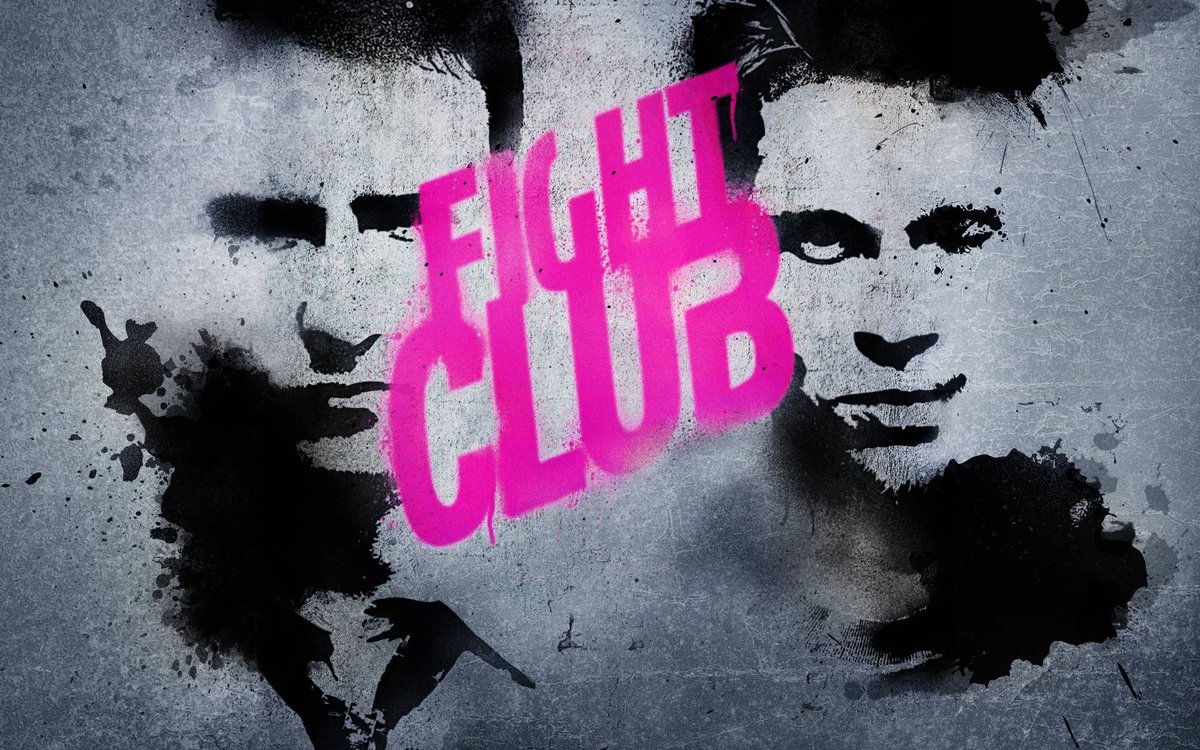
The "Fight Club filmplakat"—the film poster for David Fincher's seminal 1999 masterpiece Fight Club—isn't just a promotional image; it's a cultural artifact, a bold statement, and a marketing phenomenon. Long after its release, this poster remains as subversive and memorable as the film itself, distinguishing itself by selling an unsettling idea rather than just star power or a simple plot synopsis. It dared to be different, echoing the very spirit of the movie it represented.
Director David Fincher himself was deeply involved in steering the marketing campaign towards something unconventional, a strategy that paid off by creating immense mystery and buzz in the pre-social media era. This wasn't about shouting loud; it was about whispering a secret that everyone wanted to be a part of. The resulting designs are still discussed, admired, and collected decades later.
Deconstructing the Icon: The US Theatrical Poster's Bold Subversion
The most iconic U.S. theatrical poster for Fight Club is a masterclass in minimalist design and symbolic depth. It features a vibrant, almost offensively pink, oblong bar of soap positioned against a sterile, muted gray background. This stark contrast immediately grabs attention, defying typical expectations for a gritty, hyper-masculine thriller.
The soap itself is a central, potent symbol, representing the Narrator's transformation from a corporate drone shackled by consumerism to a primal, anti-establishment figure. Crafted from fat siphoned from liposuction clinics, it's a visceral critique of our destructive self-improvement obsessions and the superficiality of modern life. The typography, "FIGHT CLUB" in a bold, all-caps, stencil-like font, further reinforces an industrial, anti-establishment feel. Meanwhile, the legendary tagline, "The first rule of Fight Club is: you do not talk about Fight Club," was pure marketing genius, creating an irresistible aura of secrecy and exclusivity. To truly appreciate how this simple yet profound image came to be, you might dive into the Fight Club Poster History & to understand its deeper layers and design origins.
A World of Interpretations: Official International Poster Variations
While the minimalist pink soap poster became synonymous with Fight Club in the U.S., international markets embraced diverse and equally compelling designs. These variations often reflected cultural artistic trends or prioritized different aspects of the film's complex narrative. From character-focused layouts to highly interpretive art pieces, the global marketing campaign showcased the film's multifaceted appeal.
For instance, Japanese posters frequently leaned into star power and vibrant energy, showcasing Brad Pitt, Edward Norton, and Helena Bonham Carter in dynamic, collage-like compositions. Conversely, Polish posters, true to their storied tradition of artistic independence, offered surreal and often grotesque illustrations. These designs typically employed jarring colors and fragmented imagery to visually represent themes of identity crisis and societal breakdown inherent in the film. There were also other intriguing designs, like a lone hand being dipped in water, or characters set against a crumbling city skyline. It’s fascinating to Explore Fight Club poster variations across different countries and see how the film's themes were translated visually.
Beyond the Original: The Legacy of Fan Art and Alternative Designs
The enduring power of the Fight Club poster extends far beyond its official marketing materials. Its influence on graphic design and cinematic marketing is undeniable, pioneering the minimalist film poster trend that has seen a strong resurgence, aligning perfectly with contemporary "bold minimalism" aesthetics. It proved that a single powerful image, coupled with intriguing mystery, could be a far more potent marketing tool than an overcrowded montage.
This influence is clearly evident in modern cinematic marketing for films like Parasite (2019) and The Social Network (2010), which similarly prioritize mood and theme over explicit plot details. The Fight Club poster has transcended its original purpose to become a bonafide cultural phenomenon, inspiring countless parodies, fashion trends, and a vast body of fan art. From reimagined minimalist takes to intricate digital paintings, artists continue to draw inspiration from its themes and aesthetics. If you're curious about the creative interpretations, you should Explore Fight Club fan art and see how the community keeps the legacy alive.
The Thrill of the Hunt: Collecting Authentic Fight Club Movie Posters
For film enthusiasts and collectors alike, an original Fight Club film poster is a highly coveted piece of memorabilia. Its significance in cinematic history, combined with its iconic design, makes it a valuable addition to any collection. However, the market is rife with reproductions, making authentication crucial for serious buyers. Knowing what to look for can prevent costly mistakes.
Authenticating an original U.S. theatrical one-sheet poster from 1999 involves several key checkpoints. These include precise dimensions (27x40 inches), double-sided printing for light boxes (a common practice post-1980s), and the quality of the paper and print itself. Furthermore, genuine posters will feature small, fine-print copyright information at the bottom, sometimes including an NSS number. A true original will also likely show minor signs of age, given its 1999 production date, rather than appearing pristine. To fully equip yourself for the search, we recommend learning more about Collecting Authentic Fight Club Movie posters with confidence.
Key Authentication Points for Original One-Sheet Posters:
- Size: Must be 27x40 inches. Any deviation typically indicates a reprint or international version.
- Double-sided Printing: Theatrical posters produced after the 1980s are generally double-sided for display in cinema light boxes. Most modern reprints are single-sided.
- Paper Quality: Originals use high-quality, heavy paper with a distinct sheen, differing from thinner or matte reprints.
- Print Quality: Authentic posters boast sharp, high-resolution imagery. Reproductions often appear pixelated or slightly blurry.
- Copyright Information: Look for small, legible fine print at the bottom, usually "© 20th Century Fox, 1999," sometimes with an NSS number. Its absence or blurriness is a red flag.
- Signs of Age: A poster from 1999 will likely show subtle signs of age, such as slight edge wear or faint roll marks, unless it has been stored professionally in a climate-controlled environment. Be wary of "mint condition" claims from unverified sources.
Securing Your Piece of History: Where to Buy and Frame Your Poster
As of 2025, prices for authentic Fight Club one-sheets can range from a few hundred to over a thousand dollars, with signed posters commanding significantly higher values. When you're ready to make a purchase, choosing a reputable source is paramount. Established auction houses and specialized dealers often provide certificates of authenticity, offering peace of mind.
Consider respected sources like Heritage Auctions, Profiles in History, Posteritati, and CineMasterpieces for their verified collections. While marketplaces like eBay or Etsy can offer a wider selection, they are also prone to reproductions. If purchasing from these platforms, meticulously check seller ratings, read reviews, understand return policies, and always request high-resolution photos to scrutinize details. Once acquired, proper framing is essential to preserve your investment and display it beautifully. For comprehensive advice on securing and showcasing your film art, find out Where to Buy & Frame your movie posters, ensuring they stand the test of time.
A Lasting Legacy: The Fight Club Poster in 2025 and Beyond
The Fight Club film poster's journey from a subversive marketing tool to a celebrated piece of pop culture history is a testament to its brilliant design and the enduring power of the film itself. It proved that sometimes, less is truly more, and that a powerful idea can resonate far more deeply than overt marketing. Its impact continues to shape how we think about movie posters, inspiring new generations of designers and filmmakers to embrace bold, thematic approaches. The pink soap bar isn't just a symbol of cinematic genius; it's a beacon for thoughtful design that continues to influence and provoke in 2025 and beyond.