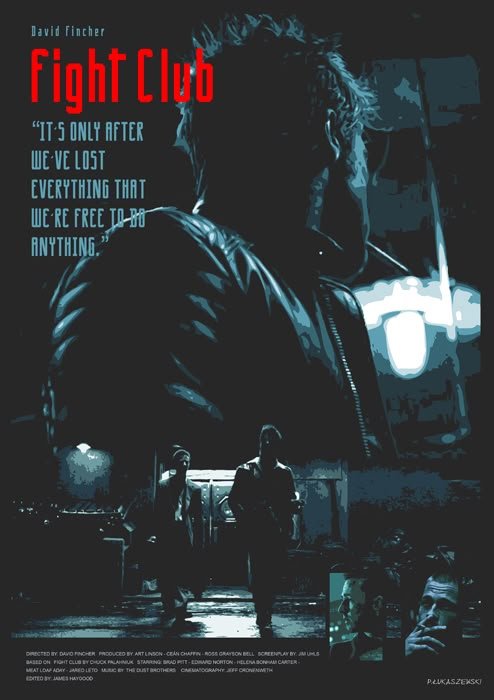
You're here because you know Fight Club isn't just a film; it's a cultural phenomenon, a thought experiment wrapped in cinematic brilliance. And if you're like us, that appreciation extends beyond the screen, particularly to the captivating world of its German Filmplakat releases. These aren't just paper and ink; they're tangible slices of film history, often imbued with unique design elements that distinguish them from their international counterparts. For collectors and enthusiasts, understanding these specific German posters offers a deeper dive into the film's global impact and the nuanced art of movie marketing.
At a Glance: Key Takeaways for German Fight Club Filmplakat
- Distinctive Designs: German Filmplakat for Fight Club often feature unique artwork compared to US or UK versions, notably the iconic "soap" motif with the three main characters.
- Originals vs. Reprints: Focus on identifying Erstauflage (first edition) posters for maximum value and authenticity.
- Key Identification: Look for specific dimensions, printer information, and distribution company logos (e.g., 20th Century Fox Deutschland) to verify authenticity.
- Condition is King: Poster value is heavily dependent on its physical state. Understand standard grading scales.
- Where to Buy: Reputable online marketplaces, specialized poster dealers, and auction houses are your best bets.
- Investment Potential: Well-preserved original German Fight Club Filmplakat hold steady to increasing value due to the film's enduring cult status.
Beyond the Screen: Why German Filmplakat for Fight Club?
Why focus specifically on German Filmplakat when collecting Fight Club memorabilia? The answer lies in both aesthetics and cultural context. Unlike some markets that simply localized existing designs, Germany often commissioned its own unique artwork for major film releases. This creative independence often resulted in posters that, while recognizing the film's core themes, presented them with a fresh perspective, sometimes even surpassing the original marketing’s impact.
For Fight Club, a film whose themes of consumerism, identity, and rebellion resonated deeply across Europe, the German posters became a particularly potent visual statement. They weren't just advertisements; they were artistic interpretations that helped frame the film for a German-speaking audience, offering a unique entry point into its challenging narrative. Collecting these isn't just about owning a piece of history; it's about appreciating a distinct artistic interpretation of a beloved film.
Deciphering the Fight Club Filmplakat Landscape in Germany
Navigating the world of movie posters, especially from a specific region and era, requires a keen eye. For Fight Club, German Filmplakat come in several iterations, primarily distinguished by their release timing and design. Understanding these differences is crucial for any serious collector.
The Original Theatrical Release (Erstauflage)
The holy grail for most collectors is the Erstauflage, or first edition poster, issued when Fight Club first premiered in German cinemas in 1999. These posters were typically printed in limited quantities, distributed to theaters, and often suffered wear and tear. Their scarcity and historical significance make them the most sought-after.
The most iconic German Fight Club Erstauflage design is arguably the one featuring the three main characters (Edward Norton as the Narrator, Brad Pitt as Tyler Durden, and Helena Bonham Carter as Marla Singer) subtly integrated into a bar of soap. This design brilliantly encapsulated the film's core themes of consumerism and deconstruction, presenting a stark, memorable image that became synonymous with the film in Germany. This particular design is often the one referred to as the "original German film poster" when discussing genuine releases from 1999 (as seen on reputable sites like filmposter.net).
Rerelease and Special Editions
Like many cult classics, Fight Club has seen numerous rereleases over the years, from anniversary screenings to special home video promotions. Each of these events could have generated new Filmplakat. While these rerelease posters can be interesting, they generally hold less collector's value than the Erstauflage unless they feature entirely new, striking artwork or were produced in extremely limited runs.
It's important to distinguish these from original theatrical posters. Rerelease posters might feature different taglines, subtle design alterations, or sometimes even completely new artwork created years after the initial release. Always check the fine print for dates or distribution company information that might indicate a later printing.
Distinguishing Authentic Prints from Reproductions
This is where the real detective work begins. The popularity of Fight Club has led to a proliferation of reproductions, fakes, and unauthorized prints. When you're looking for genuine Fight Club film posters, especially an original German one, vigilance is key.
- Paper Quality: Original posters were typically printed on specific, often heavier-grade paper designed for display. Reprints might feel flimsier or have a glossy finish not characteristic of 1999 prints.
- Print Quality: Authentic posters from the era generally have a certain "dot matrix" or offset print quality. Modern fakes might look too crisp, too pixelated, or simply "off."
- Distributor Logos & Credits: German Filmplakat will prominently feature the logo of the German distributor (e.g., "20th Century Fox Deutschland"). Check these details against known authentic examples. Misspellings or incorrect logos are huge red flags.
- Size: Original German posters adhere to standard sizes, which we'll cover in more detail below. Deviations can signal a fake.
- Fold Lines: Most original theatrical posters were folded for distribution to cinemas. Unless it's a "rolled" poster (less common for standard theatrical issues in Germany at the time), the absence of original fold lines can be suspicious, although some rare early rolled prints do exist. For more general advice on identifying authentic movie posters, always cross-reference with known examples.
The Hunt: Where to Find Genuine German Fight Club Filmplakat
Finding an original German Fight Club Filmplakat can be a rewarding quest. It requires patience, research, and knowing where to look. While the thrill of the hunt is part of the appeal, focusing your efforts on reputable sources will minimize the risk of disappointment.
Online Marketplaces & Specialized Shops
Your first stop will likely be online. Websites like eBay Germany (ebay.de) are active hubs for Fight Club posters. However, exercise extreme caution on general marketplaces. Always scrutinize seller feedback, ask detailed questions, and request high-resolution photos of the specific poster you're interested in. Filters for "Filmposter" and "Fight Club" on these sites will show you current listings (as referenced by sources like ebay.de/b/Fight-Club-Poster-in-Filmposter/18828/bn_7004485791).
For a safer bet, seek out specialized online film poster dealers based in Germany or those with a strong international reputation for German posters. These dealers often have authenticated inventory, provide detailed descriptions, and stand by their products. They are often your best resource when you're collecting original film posters.
Auction Houses
For rare or high-value Filmplakat, traditional auction houses (both online and brick-and-mortar) can be excellent sources. Major auctioneers occasionally feature significant film poster collections. While prices here can be higher, you often benefit from expert authentication and condition reports. Keep an eye on the catalogs of specialized pop culture or film memorabilia auctions.
Physical Fairs and Conventions
Attending film memorabilia fairs, comic conventions, or poster shows in Germany (or major international events) offers a unique advantage: you can inspect the poster in person. This allows you to verify condition, feel the paper, and check for authenticity markers firsthand. Plus, you can speak directly with dealers, tapping into their expertise and often unearthing hidden gems not available online.
What to Look For: A Collector's Checklist
Once you've found a potential German Fight Club Filmplakat, a methodical evaluation is critical. Here’s a checklist to guide your inspection.
Condition Grading
The condition of a poster is paramount to its value. Collectors use a standardized grading system. Familiarize yourself with these terms:
- Near Mint (NM): Practically flawless, no visible wear. Very rare for vintage posters.
- Fine (F): Minor imperfections, light wear on folds (if folded), no significant tears or pinholes. Still displays beautifully.
- Very Good (VG): Noticeable wear, some pinholes, minor tears at edges, light creases, or some discoloration. Still presentable.
- Good (G): Significant flaws, multiple pinholes, larger tears, tape repairs, creasing, or fading. Value significantly reduced.
- Fair (FR) / Poor (P): Major damage, missing pieces, heavy staining, or extensive restoration needed. Primarily for historical reference or if extremely rare.
Always ask for detailed photos and an honest condition report. Don't be afraid to discuss poster condition thoroughly with the seller.
Key Identifying Marks
Beyond the design, look for specific textual and structural elements that confirm a poster's authenticity as a German release.
- Language: Obviously, the text on the poster should be in German. This includes the film title, taglines, cast and crew names, and any promotional text.
- Distributor Information: Look for "20th Century Fox Deutschland" or similar German distribution credits, often found along the bottom edge in small print.
- Printer Information: Some original German Filmplakat include the name of the German printing company. While not always present, it's a strong indicator when found.
- FSK Rating: German posters will often feature the "FSK" (Freiwillige Selbstkontrolle der Filmwirtschaft) age rating in a small box, typically in a corner. For Fight Club, this would likely be an FSK 16 or FSK 18 rating.
Size Matters: Standard German Formats
Original German Filmplakat generally adhere to specific dimensions. Knowing these helps confirm authenticity and prevents you from buying a non-standard print.
- A1 Format: Roughly 59.4 cm x 84.1 cm (approx. 23.4 x 33.1 inches). This is a very common size for theatrical posters in Germany.
- A0 Format: Roughly 84.1 cm x 118.9 cm (approx. 33.1 x 46.8 inches). Larger and less common for standard theatrical distribution, but used for special displays.
- Other Formats: Less common sizes exist, but for Fight Club Erstauflage, the A1 format is what you'll most frequently encounter. Be wary of significantly different dimensions unless the seller provides a compelling, verifiable reason. Understanding standard German poster formats is a fundamental part of collecting.
Valuation and Investment: What's a German Fight Club Filmplakat Worth?
Determining the value of a German Fight Club Filmplakat isn't an exact science, but several factors influence its market price. Think of it as a confluence of art, history, and demand.
Rarity and Demand
The Erstauflage of the iconic soap design is inherently rarer than later prints or reproductions. Combine this scarcity with the enduring global popularity of Fight Club, and you have a recipe for sustained demand. The more sought-after a specific design and the fewer authentic copies in circulation, the higher its potential value. Cult classics like Fight Club often see their merchandise appreciate over time as new generations discover the film.
Condition's Impact
As mentioned, condition is a huge determinant. A Near Mint Erstauflage will command a significantly higher price than a Good condition equivalent, potentially doubling or tripling its value. Collectors are willing to pay a premium for posters that have been carefully preserved.
Marketplace Insights
Current market prices vary. A quick search on eBay Germany might show original Erstauflage Fight Club Filmplakat in Fine to Very Good condition fetching anywhere from €150 to €500 or even more, depending on the specific design, seller, and how desperate the buyer is. Rarer finds or posters in exceptional condition from reputable dealers or auction houses could go for higher. Always compare prices across multiple sources and check recent completed sales to get a realistic sense of the market. Don't jump on the first listing you see.
Avoiding the Pitfalls: Common Mistakes When Collecting
The world of collecting has its share of traps for the unwary. Here's how to navigate them when pursuing your German Fight Club Filmplakat.
- Blind Bidding: Never bid on or buy a poster without clear, high-resolution images of the actual item, not a stock photo. Request images of all four corners, the back, and any visible flaws.
- Ignoring Condition Reports: Don't gloss over the condition. A "minor tear" to one seller might be a significant rip to you. Always get clarity.
- Falling for "Rare" Claims Without Proof: Sellers often claim items are "rare." Always verify this with your own research. Is it truly rare, or just uncommon for them to have?
- Overpaying for Reproductions: The biggest mistake. If a deal seems too good to be true for an "original," it almost certainly is. Authentic original posters command a certain price; deeply discounted "originals" are usually fakes.
- Not Factoring in Shipping & Customs: Especially for international purchases, remember to account for potentially high shipping costs and import duties, which can significantly add to the overall price.
Caring for Your Cinematic Treasure
Once you've acquired your German Fight Club Filmplakat, proper care is essential to preserve its condition and value for years to come.
- Archival Storage: If not displayed, store your poster flat or rolled in an acid-free tube. Never fold a poster that wasn't originally folded. Use archival-quality Mylar sleeves or portfolios to protect flat posters from environmental damage.
- Framing Matters: If you choose to frame, use archival-quality, acid-free matting and backing. Crucially, opt for UV-protective glass or acrylic to prevent fading from sunlight or artificial light. Never dry-mount a poster, as this is irreversible and destroys its collector's value. Ensure the poster can "breathe" slightly within the frame and isn't pressed too tightly against the glass.
- Environmental Control: Store or display your poster in a stable environment. Avoid direct sunlight, extreme temperature fluctuations, and high humidity, which can cause paper degradation, foxing (brown spots), and mold. A cool, dry, dark place is ideal. For comprehensive advice on caring for film memorabilia, consult specialized resources.
Beyond the Frame: The Enduring Legacy
Collecting German Filmplakat for Fight Club is more than just a hobby; it’s an active engagement with the legacy of a film that continues to challenge, provoke, and inspire. Each poster tells a story, not just of the movie itself, but of its journey across borders and cultures, reflecting unique interpretations and marketing strategies.
As you embark on or continue your collecting journey, remember that the true value lies not just in monetary terms, but in the connection you feel to the art, the film, and the shared passion of fellow enthusiasts. Keep researching, keep exploring, and most importantly, enjoy the tangible connection to this cinematic masterpiece. Your next Filmplakat could be waiting.